A browned crust, roasted meat, a rich stock: much of the flavour we associate with cooking develops when ingredients meet heat. At Bell Flavors & Fragrances, we draw on this chemistry to develop reaction flavours for savoury foods.
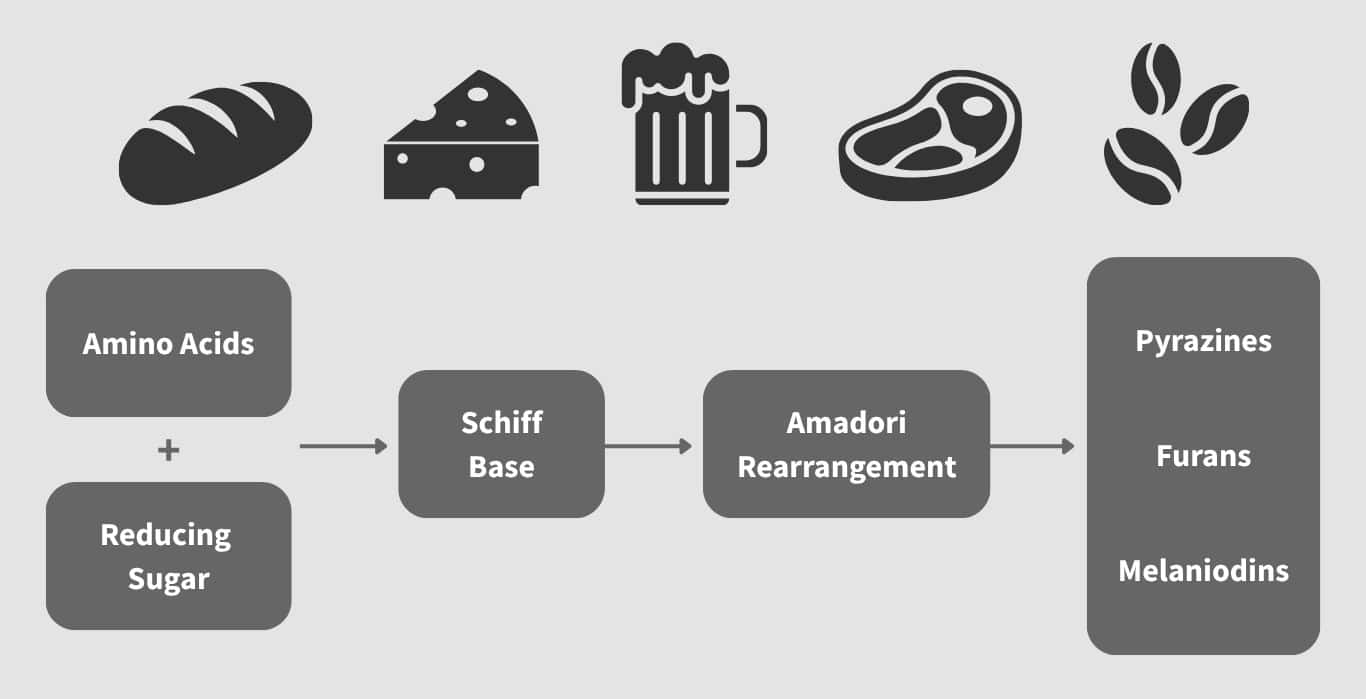
Maillard reaction is a set of chemical reactions between amino acids and sugars that causes food browning and contributes to flavours and aromas.
What Happens During Cooking?
The Maillard reaction begins when reducing sugars react with amino groups, such as those found in amino acids. This sets off a series of reactions that contribute to the browning of food and produce a wide range of aroma compounds.
Some bring roasted or nutty notes; others contribute caramel-like or meaty characteristics. The ingredients and cooking conditions influence which notes develop, giving different foods their distinctive aromas.
From the Kitchen to Flavour Development
Reaction flavours use the same underlying chemistry. By heating selected ingredients under controlled conditions, flavourists develop notes associated with cooking and roasting.
These flavours can add a roasted edge to a sauce or reinforce the cooked character of a broth. They also give flavourists a way to adjust specific aspects of a formulation, building up notes that are missing or strengthening those that need more presence.
The aim is a flavour that fits the finished food, at the right intensity and in balance with its other ingredients.
How We Develop Reaction Flavours at Bell
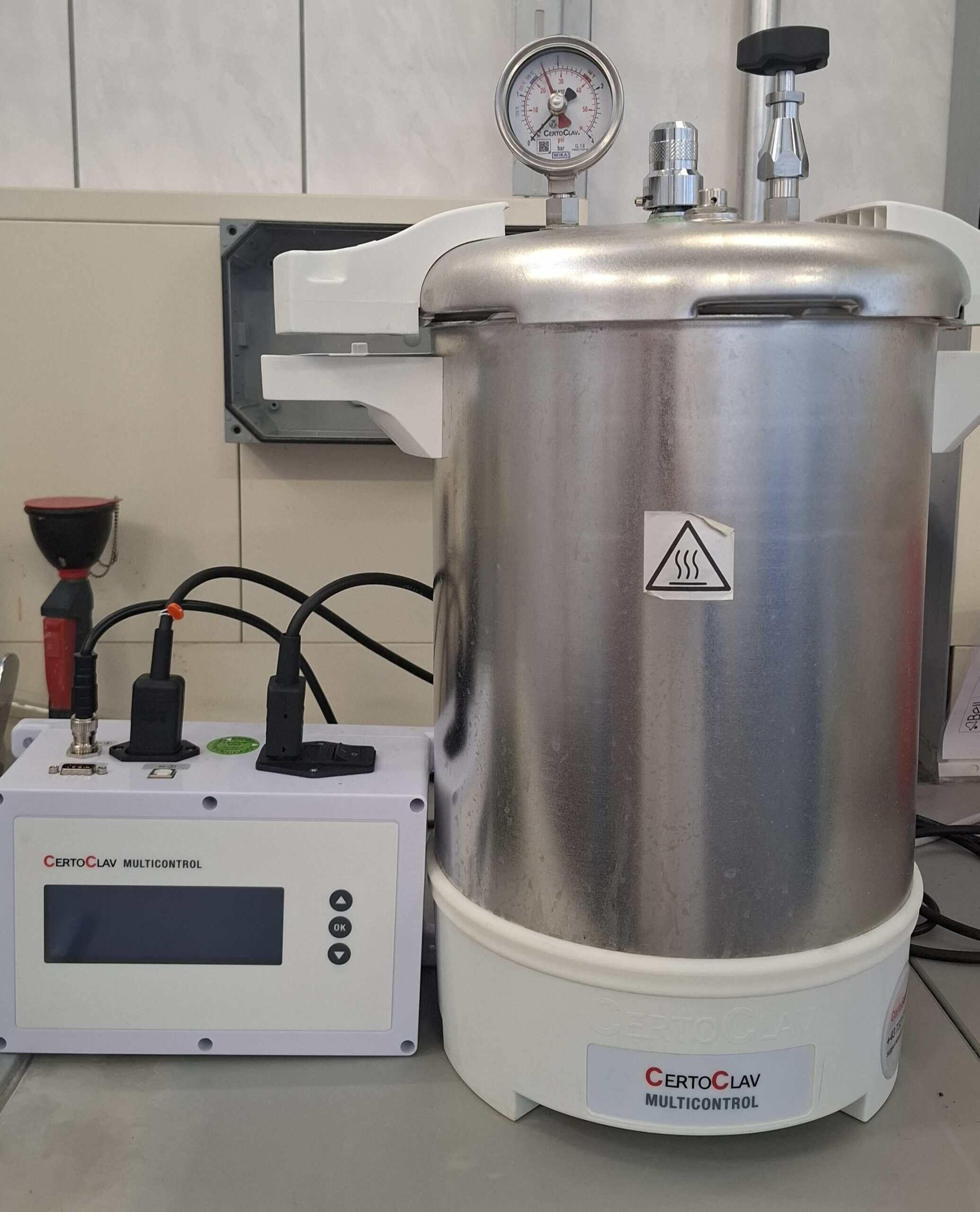
Development starts with small laboratory batches. Our flavourists compare formulations and assess the character of each sample before selecting promising recipes for further trials.
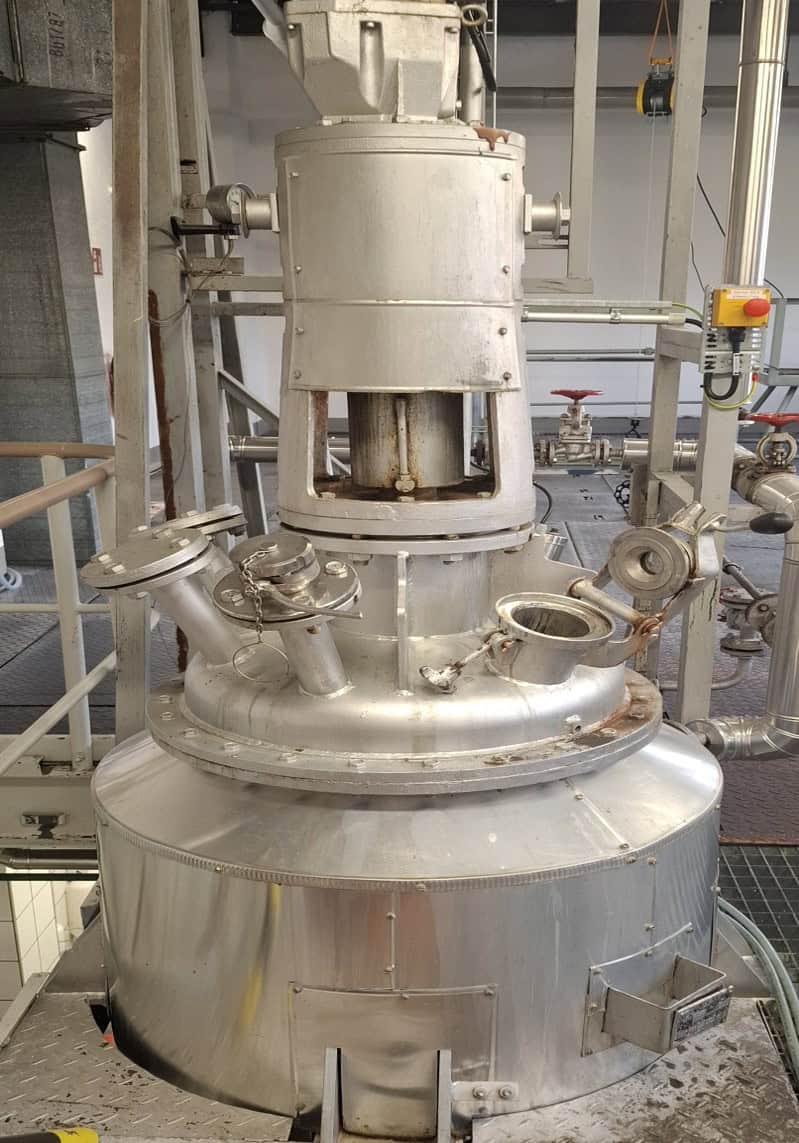
These recipes are then tested in a laboratory reactor and taken through pilot-scale production. This step allows the team to assess how the profile develops as batch sizes increase. The final flavour profile is influenced not only by the choice of amino acids and reducing sugars, but also by reaction parameters such as temperature, time, moisture and pH. Small changes in these variables can significantly alter the balance of roasted, meaty, bouillon and savoury notes.
The resulting reaction flavours become ingredients in our wider flavour formulations. We use them to create new profiles, refine existing recipes and work towards a customer’s specific flavour brief.
Finding the Right Note for Each Product
Different foods call for different expressions of cooked flavour. A gravy may need a pronounced roasted note, while a broth may benefit from a gentler, rounded character. A savoury snack needs a profile that works with its seasoning and base.
Plant-based products offer further opportunities. Depending on the formulation, reaction flavours can help establish the cooked or roasted notes central to the intended flavour.
In each case, we assess the flavour in the application. The product’s ingredients and processing conditions determine how it comes through, so tasting it in the finished recipe is an essential part of development.
Talk to Our Savoury Team
Whether you are developing a new product or adjusting an existing recipe, our Savoury team can work with you on the cooked and roasted notes it needs.